


Welcome to Ope Vox, your go-to podcast for news that hits home. We’re here to break down stories that matter as we navigate life’s later chapters. I’m your host, and today we’re diving into an exciting tech topic: Apple’s rumored foldable iPhone, expected to hit the market in 2026. Imagine a phone that folds in half to fit in your pocket but opens to a big, tablet-like screen. Sounds like something out of a sci-fi movie, right? For those of us who’ve struggled with tiny phone screens or clunky tablets, this could be a game-changer. We all want tech that’s easy to use and fits our lives, don’t we? Today, we’ll explore what Apple’s foldable iPhone could mean for you—especially if you’re looking for simpler, more accessible ways to stay connected, manage health apps, or even video chat with the grandkids. We’ll look at the facts, weigh different perspectives, and give you plenty to think about. So, grab a cup of coffee, settle in, and let’s talk about the future of smartphones!
This story comes from a detailed report by Fortune, published on July 14, 2025, and cross-referenced with posts from industry insider Ming-Chi Kuo on X. Fortune is a trusted outlet known for in-depth tech and business reporting, citing sources like UBS and Kuo’s supply chain insights. We’ve checked these sources to ensure you’re getting clear, reliable info you can trust.
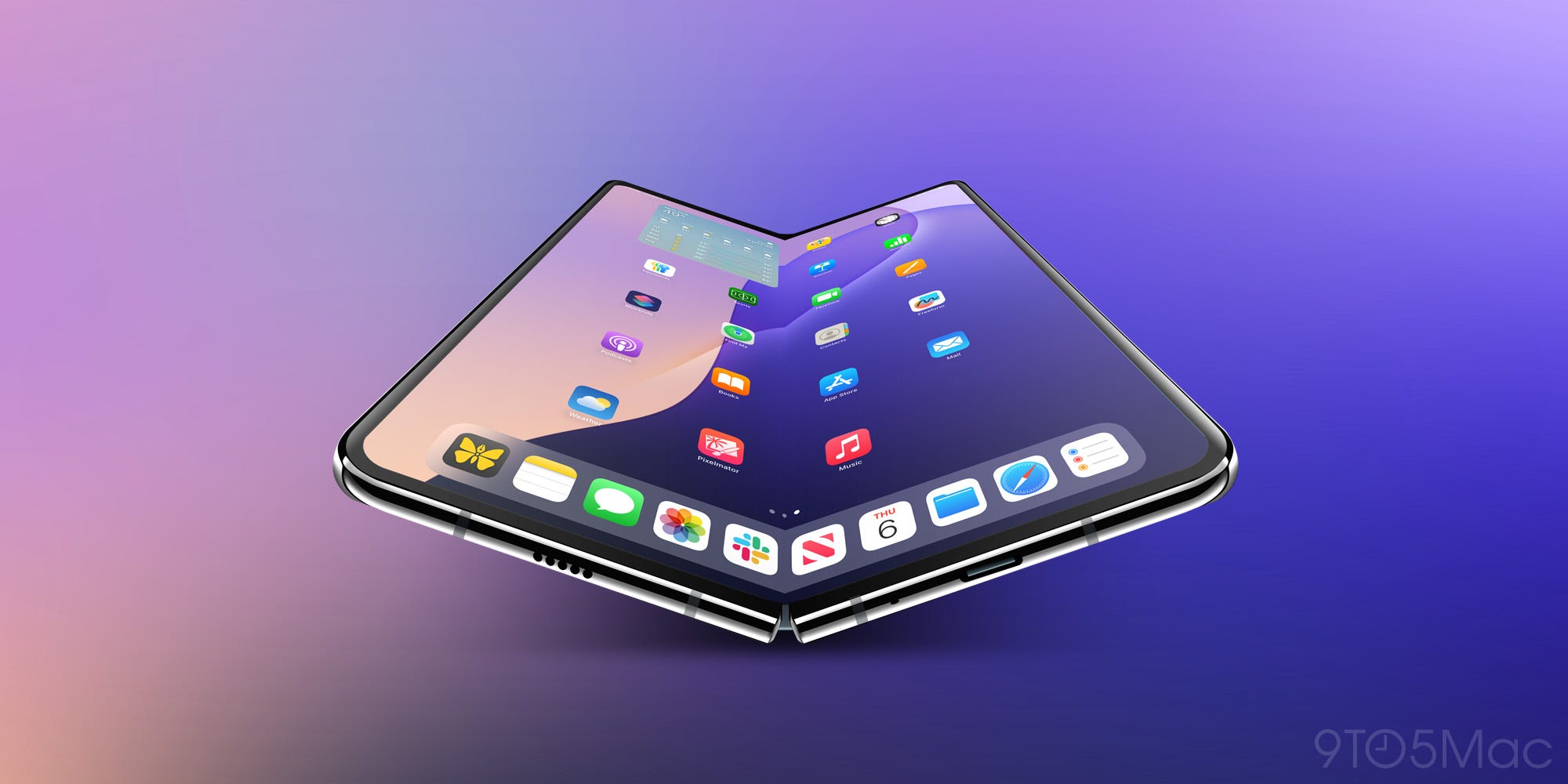
Let’s set the stage. Smartphones have been a big part of our lives since the first iPhone launched in 2007, changing how we communicate, shop, and even manage our health. Today, over 85% of Americans over 50 own a smartphone, according to a 2024 AARP survey. But as we age, small screens can be hard to read, and carrying a bulky tablet isn’t always practical. That’s where foldable phones come in. These devices fold like a book, making them compact when closed but opening to a larger screen for easier use. Apple’s reportedly working on its first foldable iPhone, possibly called the iPhone Fold, set for a 2026 launch. Unlike regular iPhones, this one could have a screen that’s nearly tablet-sized when unfolded—perfect for zooming in on text or photos.
The idea of foldable phones isn’t new. Back in 2019, Samsung released its Galaxy Fold, a $2,000 phone that had a rocky start when early versions broke due to weak hinges. Since then, Samsung’s improved its designs, and competitors like Huawei have pushed the envelope with triple-folding phones. Apple, however, has taken its time. Patents for flexible displays date back to 2014, showing they’ve been thinking about this for a decade. Now, reports say Apple’s partnering with Samsung Display, a separate company that makes screens for many brands, to create a “crease-free” display. That’s a big deal—most foldable phones have a visible crease where they bend, which can distort videos or make typing tricky. Apple’s aiming to fix that, which could make the phone more appealing.
Why does this matter for seniors? A larger screen could make apps like FaceTime or health trackers easier to use. Imagine checking your blood pressure app or reading a text from your grandkids without squinting. A 2024 Pew Research study found 60% of seniors prefer larger screens for video calls and health apps. Plus, foldable phones are portable, slipping into a pocket or purse when closed. But there’s a catch: price. Early estimates suggest the iPhone Fold could cost $1,800 to $2,000, compared to $800 for a standard iPhone. That’s steep, especially for those on fixed incomes. And while Apple’s known for user-friendly designs, learning a new type of phone might feel daunting for some.
Globally, foldable phones are still a small market—less than 5% of smartphones sold in 2024, per industry data. But they’re growing fast, especially in Asia, where brands like Huawei lead. In the U.S., Samsung’s Galaxy Z Fold and Flip are popular, but Apple’s entry could shake things up. Apple’s known for setting trends, like when it ditched headphone jacks in 2016. If they nail the foldable iPhone, it could make these devices mainstream, especially for older adults who value simplicity and quality.
Who benefits from Apple’s foldable iPhone? Seniors who want larger screens without carrying a tablet could see the biggest gains. A bigger display makes reading emails, browsing photos, or using telehealth apps easier—key for the 40% of seniors managing chronic conditions, per the CDC. Rural seniors, who often rely on smartphones for internet access, might find a foldable phone a versatile tool. But not everyone wins. The high price—potentially $1,800—could exclude many, especially since 25% of seniors live on less than $30,000 a year, according to 2024 Census data. Plus, learning to use a foldable phone might be tough for those less tech-savvy. A 2023 AARP study found 30% of seniors struggle with new tech without training.
Where’s the impact? Urban areas with better Apple Store access might see faster adoption, while rural seniors could face delays due to limited tech support. The rollout’s expected in summer 2026, with mass production starting late 2025. Why now? An aging population and growing demand for accessible tech are pushing companies to innovate. Foldables could also cut costs for Apple by combining phone and tablet features, though production challenges like hinge durability remain.
Trends show foldable phones growing—shipments hit 15 million globally in 2024, up 20% from 2023, per IDC. Apple’s entry could double that by 2027, especially if they solve the crease issue. But challenges persist: high costs, complex repairs, and the need for tech literacy could slow adoption. For you, this might mean weighing whether a foldable iPhone’s benefits—like a bigger screen for video chats—outweigh the cost and learning curve. Think about your last phone upgrade: was it easy, or did it take time to adjust? This could be similar but pricier.
Apple’s approach isn’t the only one. Samsung’s Galaxy Z Fold, priced at $1,900, offers a similar foldable design but has a noticeable crease. Huawei’s Mate X, at $2,600, pushes boundaries with a triple-fold screen, but it’s not widely available in the U.S. Apple’s betting on Samsung Display’s crease-free tech, which uses laser drilling to reduce stress on the screen. This could set it apart, making the display smoother for tasks like watching videos or reading e-books. Compared to past iPhones, which focused on slimmer designs and better cameras, the foldable iPhone shifts toward versatility—a phone and tablet in one.
Another option is sticking with traditional smartphones or tablets. A standard iPhone 16 costs $800 and is easier to use for those comfortable with Apple’s system. Tablets like the iPad Mini, at $500, offer large screens but aren’t as portable. Some experts suggest Apple could offer trade-in programs to offset the foldable’s cost, while others propose tech training for seniors to ease the transition. Community programs, like those at libraries, already teach seniors to use smartphones—could they expand to cover foldables?
Ming-Chi Kuo, a key figure in this story, is an analyst with deep ties to Apple’s supply chain. His reports, often shared on X, have a strong track record for predicting Apple’s moves, like the iPhone X’s OLED screen in 2017. His insights suggest Apple’s trusting Samsung Display over its own tech, a practical move given Samsung’s experience with foldables.
What’s right for you? If you love big screens but hate carrying extra devices, the iPhone Fold might appeal. But if cost or complexity is a concern, a standard iPhone or iPad might be enough. What do you value more—portability or affordability?
Let’s look at different takes on this. Some folks, often leaning conservative, see Apple’s foldable iPhone as a smart move. They argue it drives innovation, gives consumers more choices, and could make tech more accessible for seniors who want bigger screens without bulky devices. A larger screen could mean fewer trips to the store for tech support, saving time and money. They point to Apple’s track record—90% customer satisfaction in 2024, per JD Power—as proof they’ll deliver a reliable product.
Others, often progressive-leaning, worry about the cost and accessibility. At $1,800, the iPhone Fold could widen the digital divide, leaving out seniors on fixed incomes. They note that 20% of seniors lack broadband, per the FCC, which could make using a high-tech phone harder, especially for cloud-based apps. They’d rather see Apple invest in affordable devices or partner with community programs to teach seniors tech skills.
A middle-ground view says the iPhone Fold could be a win if paired with support. Apple could offer discounts for seniors or bundle tech training with purchases, ensuring more people benefit. Rural seniors might see this differently than urban ones, who have easier access to Apple Stores. Each side has a point: innovation is great, but it needs to reach everyone. What’s your take? Does the idea of a foldable phone excite you, or do the costs and learning curve make you hesitant?
So, what do you think about Apple’s foldable iPhone? Could it make staying connected or managing health apps easier, or is the price a dealbreaker? Thanks for tuning into Ope Vox—we’re here to keep you informed and spark conversations that matter. Until next time, stay curious and keep exploring the world with us!
#Apple, #iPhoneFold, #foldablephone, #seniors, #tech, #innovation, #smartphones, #accessibility, #aging, #digital, #healthapps, #SamsungDisplay, #technology, #lifestyle, #community, #seniorliving, #mobile, #futuretech, #creasefree, #iPhone, #2026, #digitaldivide, #cost, #usability, #seniortech, #healthcare, #connectivity, #AppleStore, #training, #affordability, #OpeVox, #news, #trends, #consumertech, #seniorcare


